An even material stream
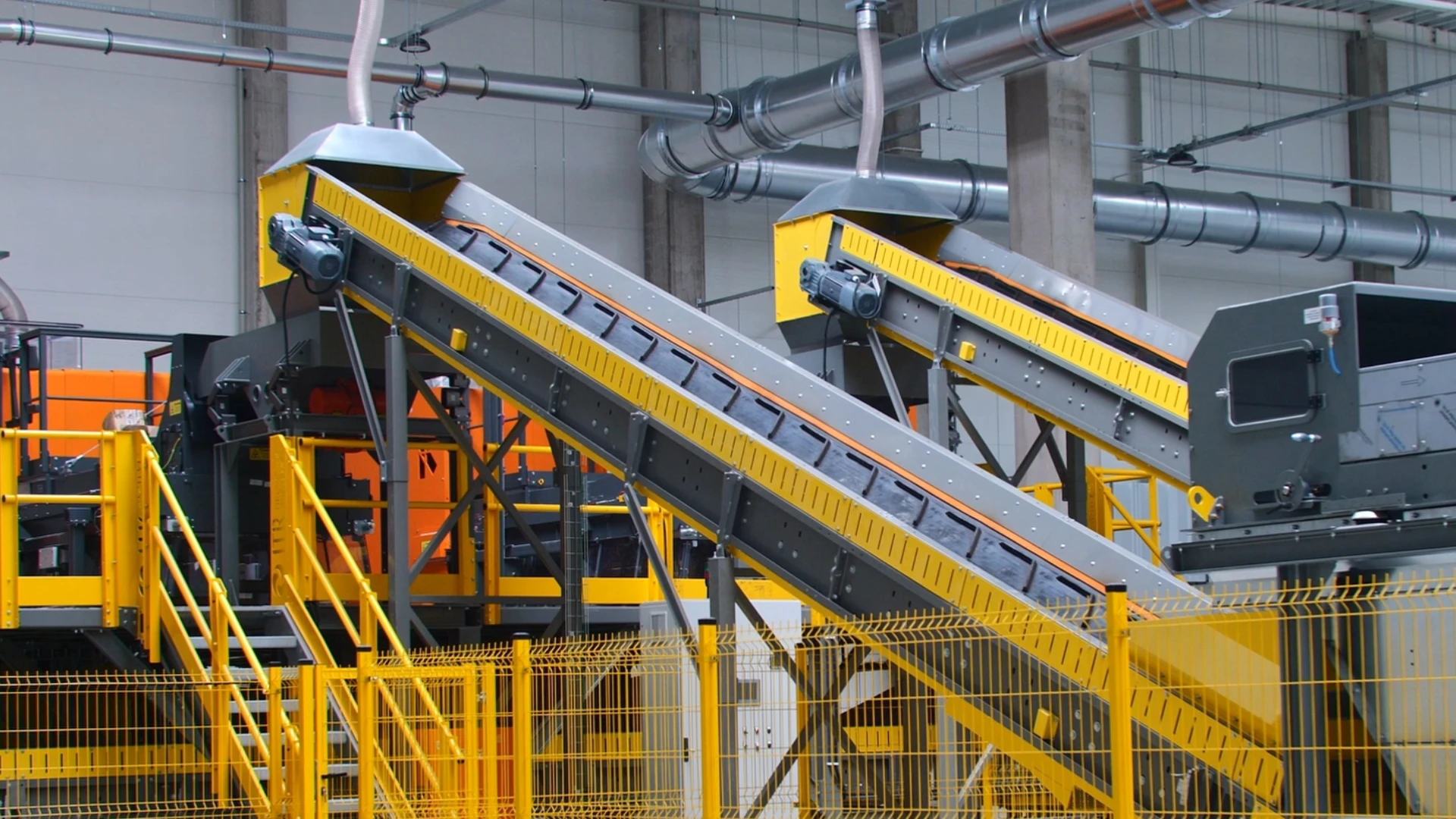
The conveyor carries prepared material through the measurement area. Spreading the objects across the belt helps detect them and direct them precisely into the appropriate stream.

 Contact
We bring aluminium back into circulation.
We create green raw material for industry.
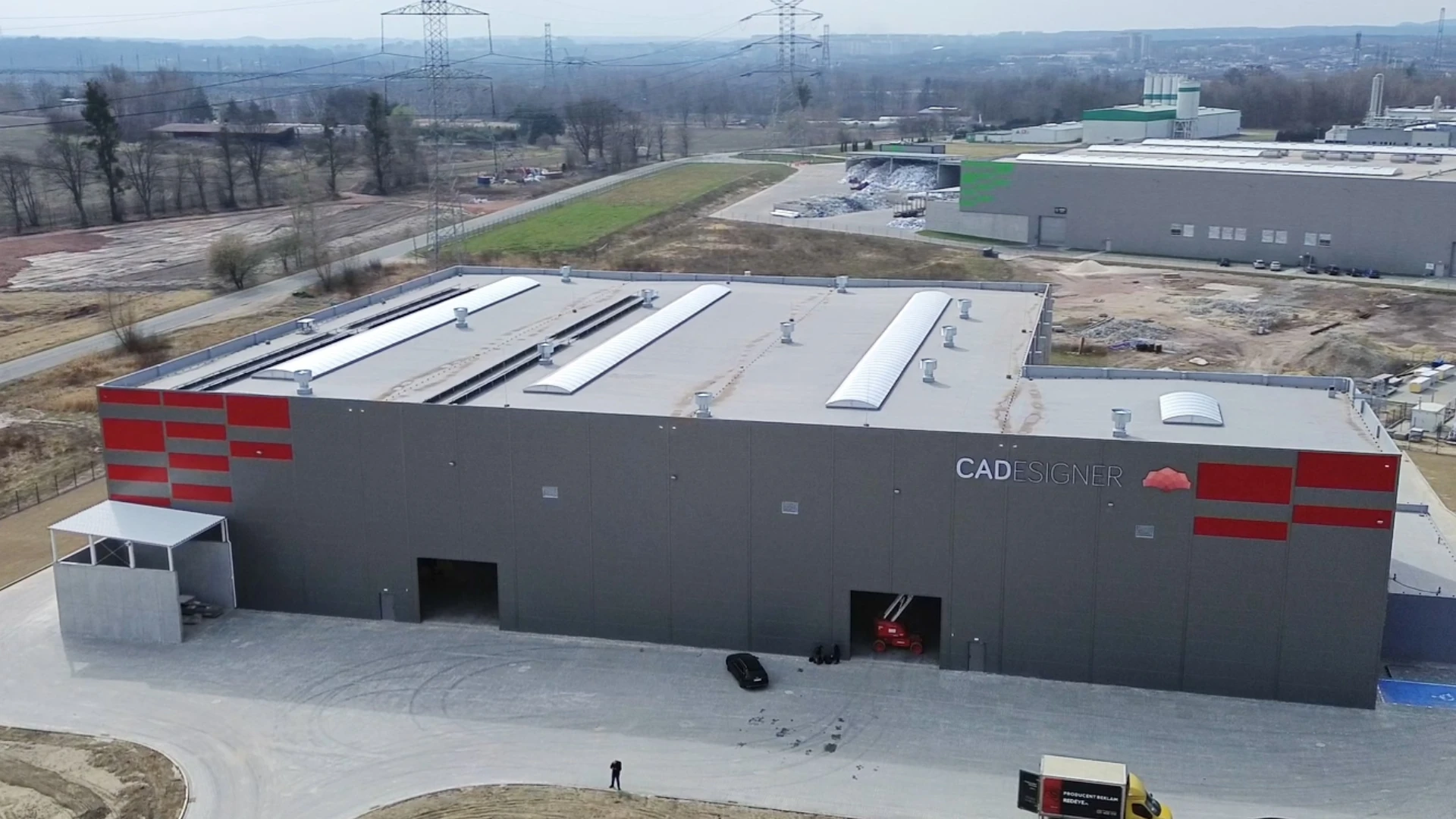
Our new plant. Green raw material for industry.
In Rybnik, we sort and process aluminium, bringing it back into circulation. An X-ray scanner line separates the material into alloy fractions. The result is green aluminium raw material for further processing at smelters and foundries.
Our Rybnik centre is a separate area of our business. We develop design, welding fixtures and structural manufacturing in Mysłowice.
Engineering and manufacturing in MysłowiceHow do X-rays help separate aluminium from materials of a different density? Take a look inside the process.
Swipe the diagram to see the whole line.
The conveyor carries prepared material through the measurement area. Spreading the objects across the belt helps detect them and direct them precisely into the appropriate stream.
An X-ray source and a sensor on the opposite side of the belt measure radiation transmitted through the material. The system analyses a signal related to its atomic density.
Software classifies detected objects according to configured criteria. Their position and the belt speed determine when the nozzle is activated.
A precisely controlled compressed-air pulse changes the trajectory of selected objects. The rest follows its natural path, and the fractions reach separate outlets.
XRT technology explained using TOMRA X-TRACT materials. Explore the manufacturer’s technology
Material separation technology supports their return to industry.
Aluminium intended for processing begins the next stage of its cycle.
An X-ray scanner supports material identification and separation on the sorting line.
Material is separated into alloy fractions for further processing.
Processed aluminium returns to industry as raw material for smelters and foundries.
 RYBNIK / MATERIALS IN CIRCULATION
At our Rybnik centre, we prepare aluminium for the next stages of the industrial cycle. Separated fractions become raw material for further processing at smelters and foundries.
Material passes through the processing and separation line.
Separated fractions can be matched to the needs of the next process.
After remelting, aluminium can return to the production of profiles, castings and other products.
XRT analyses X-ray transmission through material. It separates objects with different atomic densities, including aluminium and heavier metals. The measurement does not rely solely on surface colour.
Density separation differs from a detailed chemical composition analysis. Sorting specific alloy grades may require additional technologies, such as LIBS laser spectroscopy. We define the process scope for each material.
It is aluminium recovered from secondary materials and prepared for reuse in industry. Instead of reaching the end of its cycle, the material becomes input for the next process.
Send a description and photos of the material, its origin, approximate quantity and preferred timing. If you know its composition or have analysis results, include them in your enquiry. We can then discuss the possible scope of cooperation.
Every material stream is different. A few initial details help us move more efficiently into a technical discussion.
Enquire about cooperationRybnik. Technology, people and a place for aluminium’s next life.
The sorting centre was established through a project co-funded by the European Union. Explore the investment’s objectives, scope and funding.
View the EU-funded projectWould you like to work with our Rybnik centre? Describe your material and enquiry. We’ll direct you to the right team.
biuro@cadesigner.eu All contact details